The “Copy Nothing” Jaguar Rebrand That Stumbled
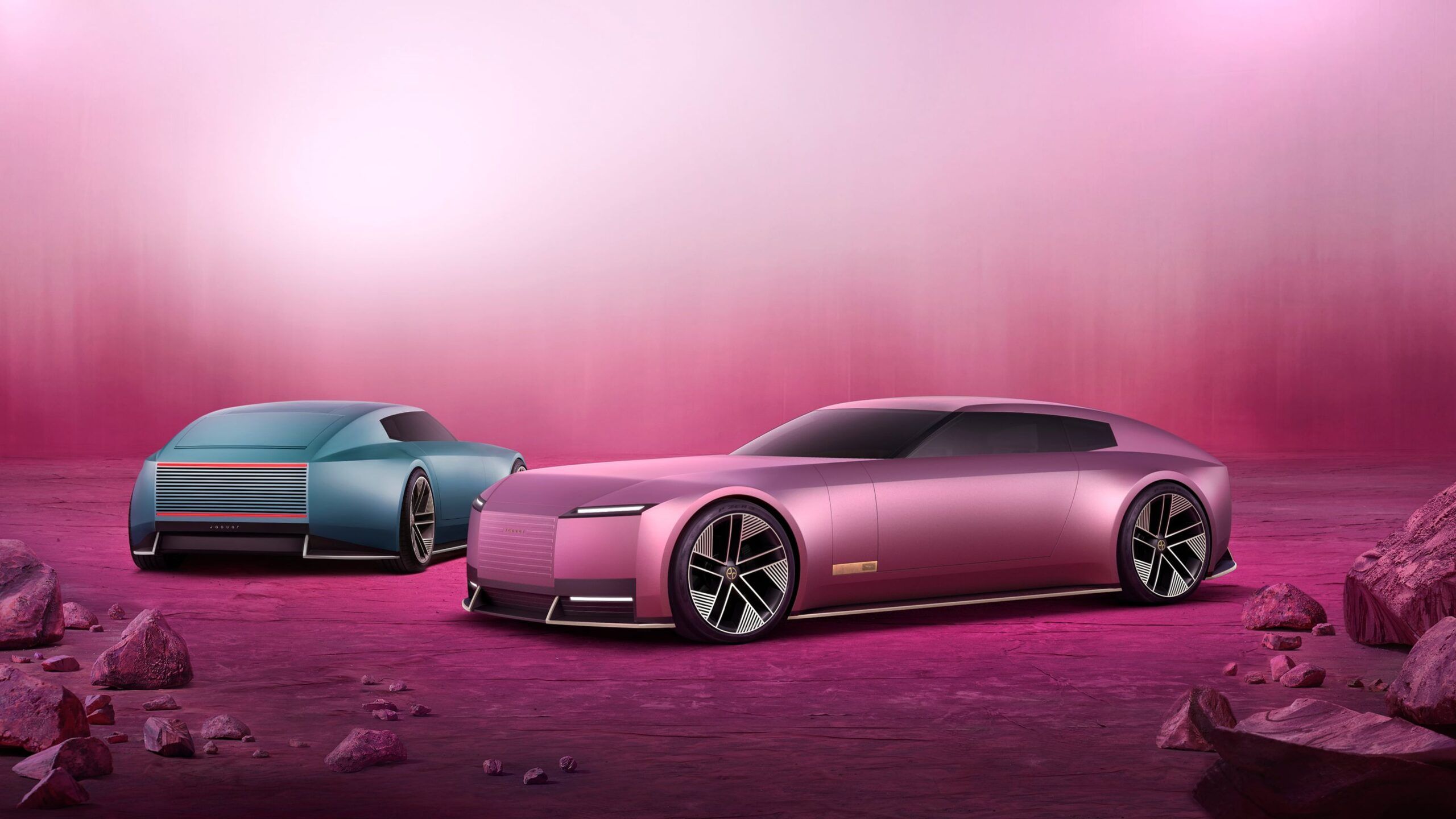
Jaguar, a name synonymous with sleek design and roaring engines, attempted a bold leap into the future. Their Jaguar marketing campaign for the new era aimed to transform their image, but ultimately became a cautionary rebranding case study.
The Strategic Roar: Reinventing for a New Era
Jaguar’s strategic goal was clear: to reinvent itself for a new, younger, urban, and all-electric luxury market. They envisioned a future where their iconic brand appealed to a generation seeking sustainability, cutting-edge technology, and a fresh take on luxury. The move towards an all-electric lineup was ambitious, and the brand aimed to shed its traditional, somewhat staid image to attract a demographic that might not have previously considered a Jaguar car. It was about capturing the zeitgeist, not just the road.
The Rebranding Unveiled: “Copy Nothing” and the Quiet Shift
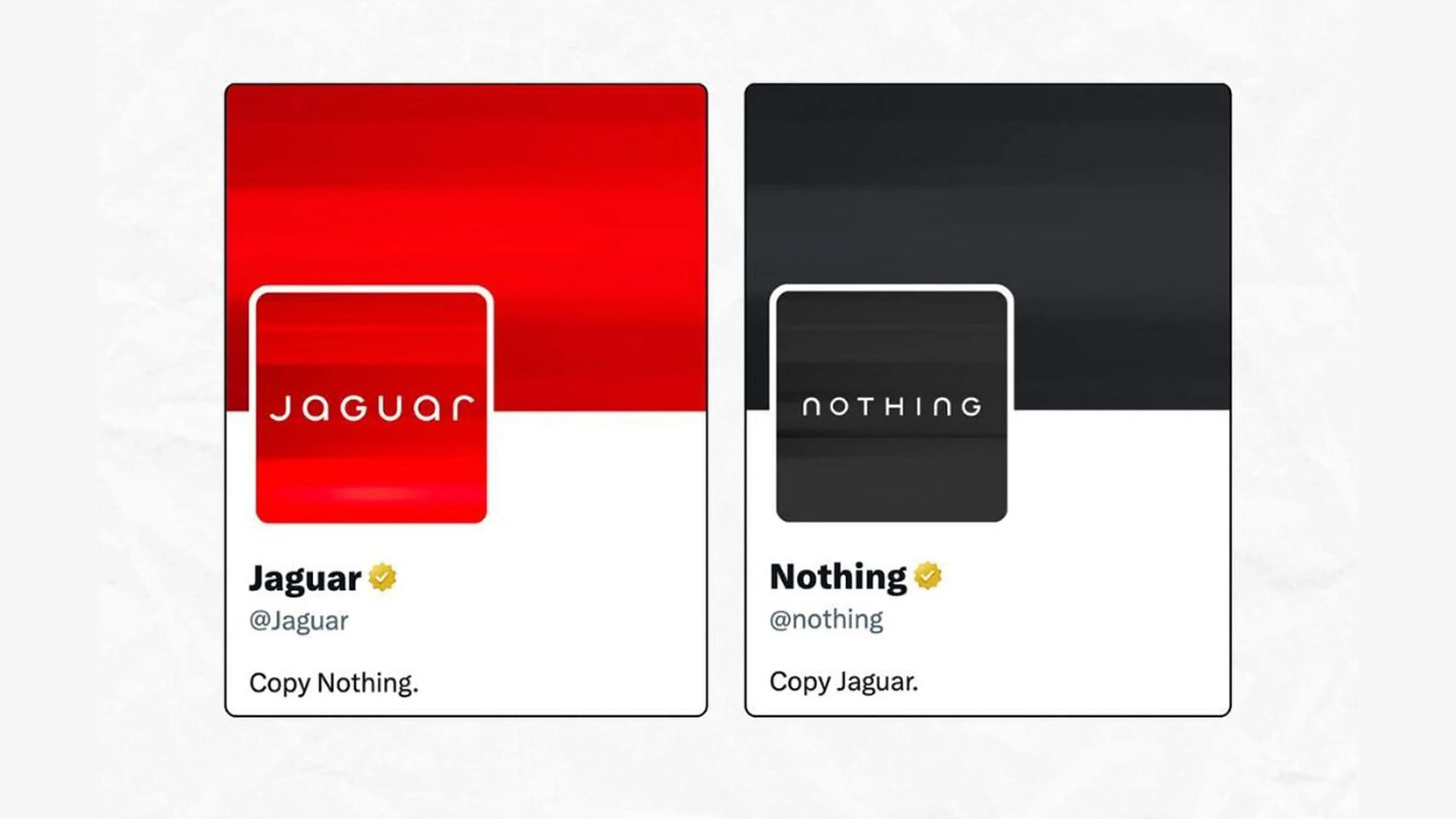
The rebranding itself, subtly executed, centered around the tagline “Copy Nothing.” This phrase aimed to convey innovation and a defiant individualism, positioning Jaguar as a leader rather than a follower. Visually, the iconic leaping jaguar emblem remained, but the overall presentation shifted towards a more minimalist and modern aesthetic. The focus was heavily on the future, promising a sophisticated, all-electric line-up that would carve out a unique niche in the luxury EV market. It was less about a flashy overhaul and more about a quiet, confident assertion of a new direction.
The Unfortunate Fallout: Numbers Tell a Different Story
Despite the strategic intent, the Jaguar rebrand failure became evident in the numbers. Instead of attracting a new legion of younger buyers, the subtle approach seemed to confuse, or worse, alienate existing loyal customers without significantly drawing in the desired new demographic. The ambitious shift to an all-electric strategy, while forward-thinking, may have moved too quickly for many, leading to a significant Jaguar sales drop after rebrand. While exact figures from specific periods vary, the narrative generally points to a struggle to gain traction and a disconnect between the brand’s new messaging and market perception. The grand vision didn’t translate into immediate, tangible sales success.

Lessons for Brands: The Roar of Authenticity
What can other brands learn from this rebranding case study? Firstly, while innovation is crucial, a brand’s heritage and existing customer base should not be overlooked. A radical departure can risk alienating loyalists. Secondly, clarity in communication is paramount. If the “Copy Nothing” ethos felt too abstract or didn’t clearly articulate the new value proposition, it could contribute to a disconnect. Finally, even with the best intentions, market shifts and consumer readiness play a huge role.
At Okular, we believe that successful rebrand isn’t just about a new look or slogan; it’s about seamlessly integrating a refreshed identity with compelling products and a clear, authentic message that resonates with both existing and target audiences. Sometimes, a quiet shift can be too quiet.