Why Branding Success Depends on Your Key Stakeholders

Let’s start with a brutal truth from the branding world: “Brand is not what you say it is. It’s what they say it is.”
Your logo, mission statement, and website copy are just intentions. The reality of your brand, its success, reputation, and goodwill, is determined by every person who has an opinion about you. This is why mastering your branding stakeholders is not optional; it’s existential.
A branding stakeholder is any individual or group that can affect or is affected by your brand’s actions and reputation. The mistake most businesses make? They focus only on the paying customer. If you’re ignoring the other players, you’re missing out on vital insights that should drive your entire strategy.
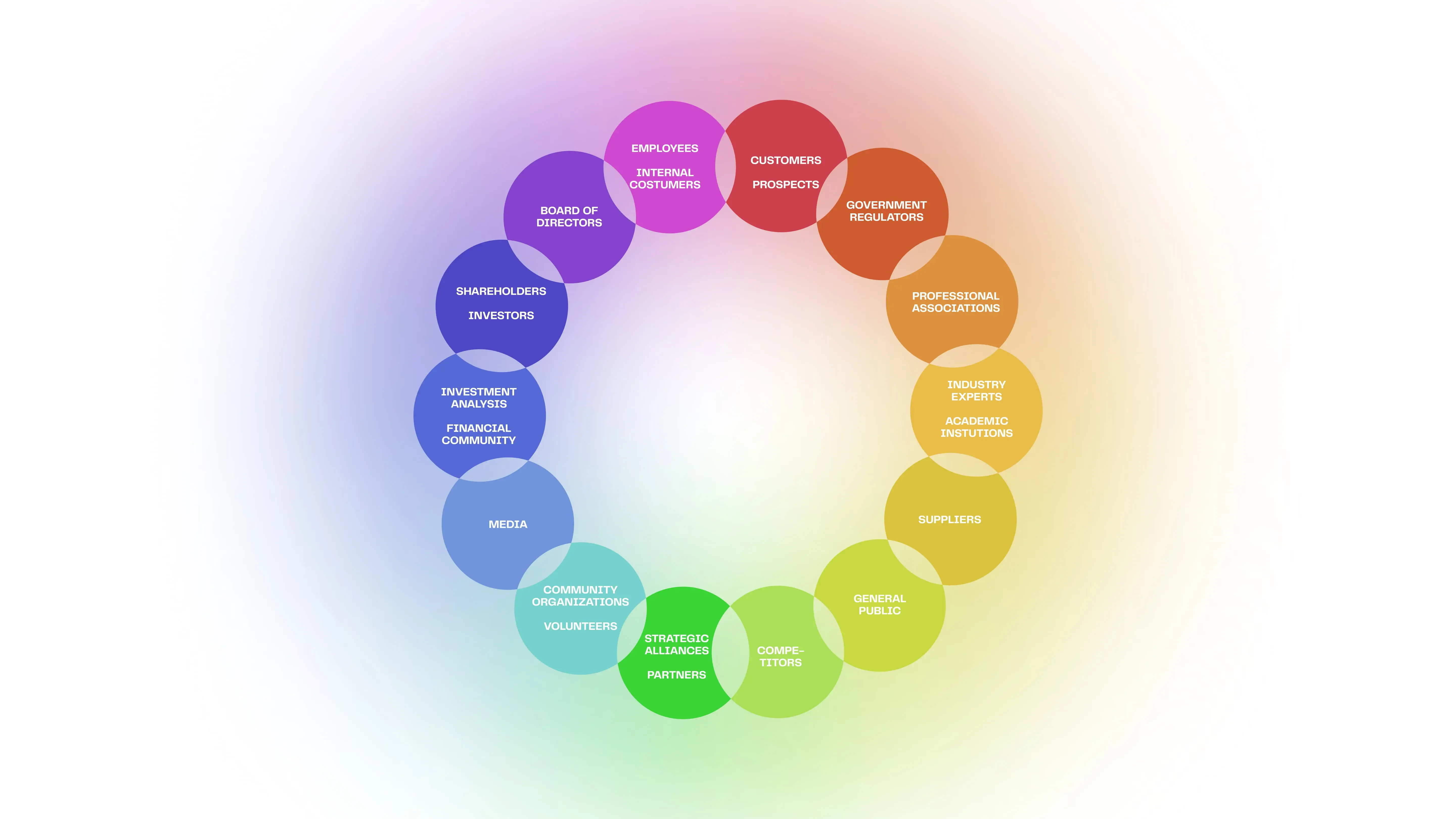
Who Are the Key Players in Your Brand’s Story?
To understand the importance of branding stakeholders, we need to break them down into the two groups that Alina Wheeler defines:
– Internal Stakeholders
Key players: Employees (your “internal customers”), Shareholders, Board of Directors.
Why They Matter: Employees are your first and most powerful brand advocates. If they don’t believe the message, no customer ever will.
– External Stakeholders
Key players: Customers/Prospects, Media, Suppliers/Partners, Financial Community, and Regulators.
Why They Matter: This group determines everything from your stock price (investors) to your regulatory freedom (government).

Why These Groups Matter to Your Brand Process?
Gaining insight into the needs and perceptions of these groups yields a high return. It’s the raw data that builds a defensible position.
– Informing Positioning & Differentiation: You need external perspective to uncover your true strengths and weaknesses. Researching opinions and biases from varied branding stakeholders helps you determine a positioning that achieves meaningful differentiation. You find your truth by listening to their reality.
– Filtering Your Messaging: What resonates with a supplier might be meaningless to a shareholder, but your core brand message must align for all. Stakeholder insight is used to filter brand messages so they maintain consistency while adapting to each audience.
– Building Your Army of Advocates: By valuing employees as internal customers, you transform them from staff into brand champions. They seize every opportunity to build goodwill with external customers, turning your biggest operating expense into your most effective marketing channel.
Stop thinking of branding as a one-way street where you broadcast your message. It’s a complex ecosystem. From our experience, the goal isn’t to talk at your stakeholders but to strategically listen, understand, and integrate their perceptions into your identity.
Your brand’s success is not measured by the quality of your logo, but by the strength of your collective reputation across all constituencies. Invest in understanding your branding stakeholders and you’ll find your competitive advantage isn’t just an idea, it’s a shared reality. Because the best brands are the ones that everyone believes.