The SPREAD Framework for Strategic Viral Content Creation

For years, “going viral” was the holy grail for marketers, a golden ticket to unprecedented reach and brand awareness. Campaigns like Metro Trains’ “Dumb Ways to Die” (2012) became legendary for their organic spread and massive engagement. However, the digital landscape has shifted dramatically.
Today, the content that goes viral often does so for controversial or negative reasons, leading to backlash and significant brand damage, as seen with Dolce & Gabbana’s “DG Loves China” campaign. A 2023 Hootsuite report revealed that only 5% of social media content achieves viral status, much of it for polarizing reasons. In this sensitive climate, the critical question isn’t if virality matters, but how to achieve it strategically and safely.
Enter David Dubois’s SPREAD framework, a systematic viral marketing strategy designed to turn serendipitous success into a deliberate outcome:
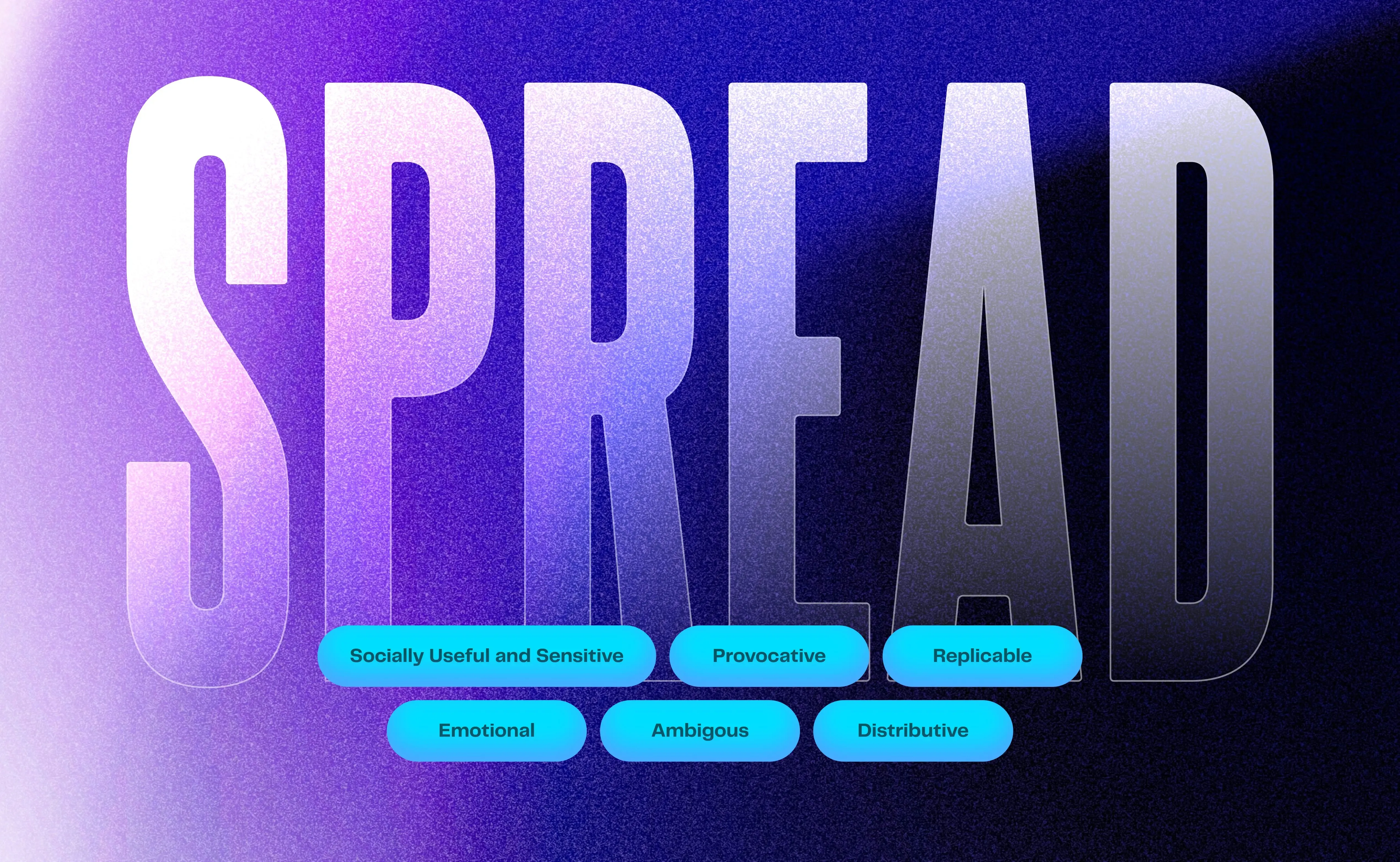
S – Socially Useful and Sensitive
Modern campaigns don’t just entertain, but they empower audiences to signal their values or strengthen social bonds. Think Duolingo championing language equity with its viral owl mascot or Dove’s “Cost of Beauty” highlighting youth mental health. Content that helps people express identity or contribute socially fuels powerful reach.
P – Provocative
Great viral content prompts reflection, sparks curiosity, or even argument, as long as it’s strategic and culturally sensitive. Patagonia’s “Don’t Buy This Jacket” challenged overconsumption, while Elf Beauty’s “So Many Dicks” campaign humorously spotlighted corporate diversity issues. The key is purposeful provocation, not tone-deaf controversy.
R – Replicable
Memes, challenges, and remixes thrive because they give users a sense of ownership. TikTok’s “Roman Empire” trend, co-opted by major brands, or Heinz’s “Draw Ketchup” campaign, which generated millions in earned media, show the power of making content easy for users to copy, remix, and respond to.
E – Emotional
Activating relevant emotions drives virality, creating an “emotional roller coaster”. Airbnb’s “Made Possible by Hosts” series tapped into nostalgia and reconnection post-pandemic, leading to significant traffic and profit increases. The lesson? Emotions must align with the campaign’s aim to avoid backlash.
A – Ambiguous
Ambiguity sparks curiosity and fuels sharing as people enjoy decoding and debating meaning. Lego’s “Rebuild the World” campaign with its surreal scenes led to a 14% revenue increase, while Wrogn’s cryptic “Wrogn Mystery” campaign garnered over 42 million impressions.
D – Distributive
Content must be designed to travel effortlessly across multiple platforms, adapting to TikTok remixes, Instagram reposts, Reddit threads, and WhatsApp forwards. Campaigns like the #DollyPartonChallenge or the Barbie movie’s AI poster-creator tool exemplify content engineered for frictionless spread across channels and audiences.
By carefully balancing these six dimensions, we empower brands to move beyond hoping their content goes viral to strategically designing it for resonance and relevance. In an era where algorithms prioritize personalized content and audiences are discerning, the SPREAD framework provides a clear roadmap to cut through the noise and build authentic connections, transforming content marketing from a game of chance into a powerful, predictable strategy.