Ramadan’s “Velocity” Dance
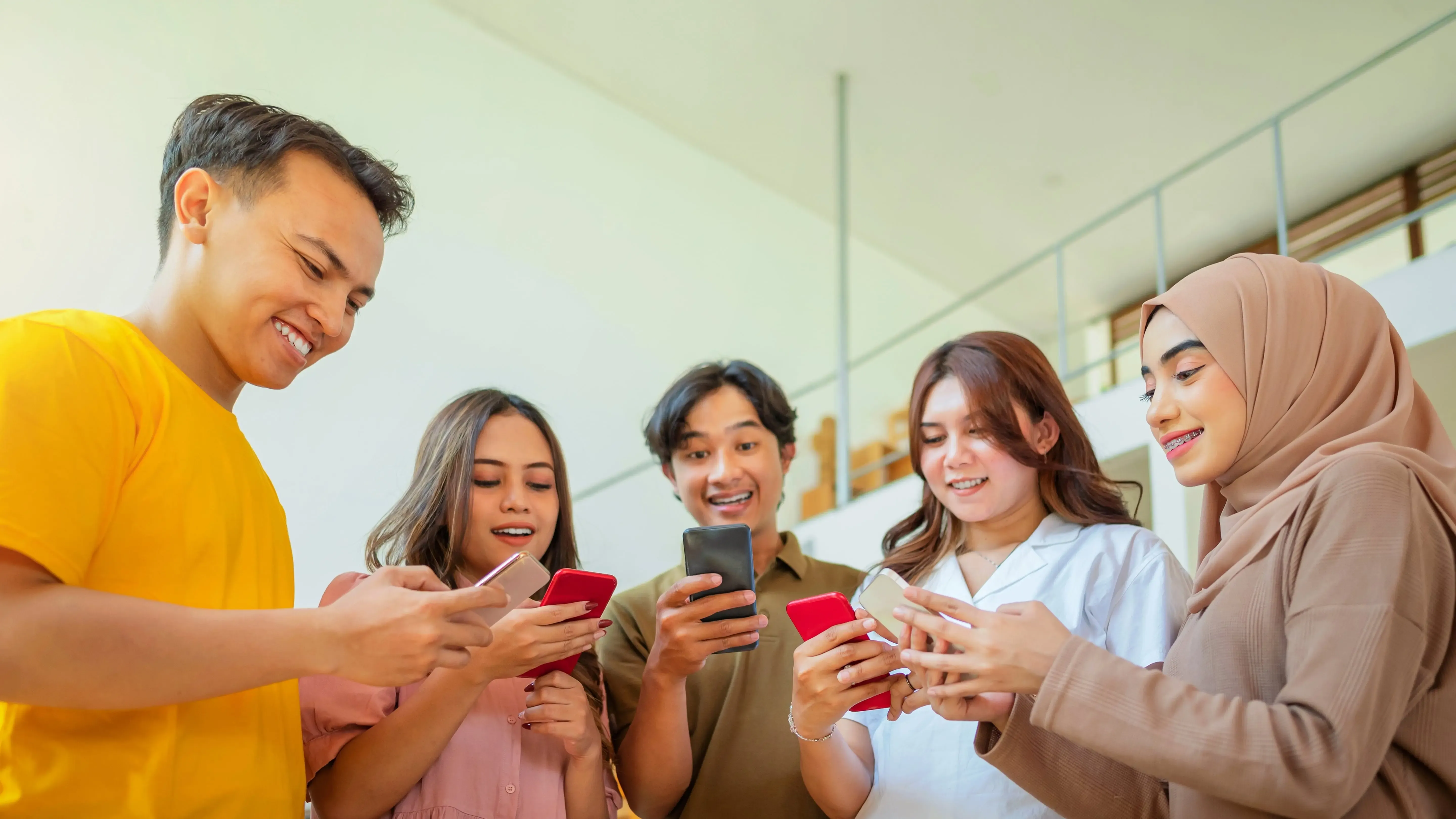
Beyond breaking fast and family time, bukber now features synchronized ‘velocity’ TikTok dances. This viral trend, a mix of religion and digital culture, highlights group unity. So, let’s dive into the nonverbal symphony playing out in these Ramadan gatherings, shall we?
The Velocity Trend: A Nonverbal Coding Theory Perspective
Now, before we dismiss this as mere youthful exuberance, let’s bring out the Theory of Nonverbal Coding. For those who skipped Communication 101, this theory posits that communication isn’t just about words, it’s also about the unspoken language of gestures, expressions, and spatial dynamics. And does the ‘velocity’ dance deliver on that front.
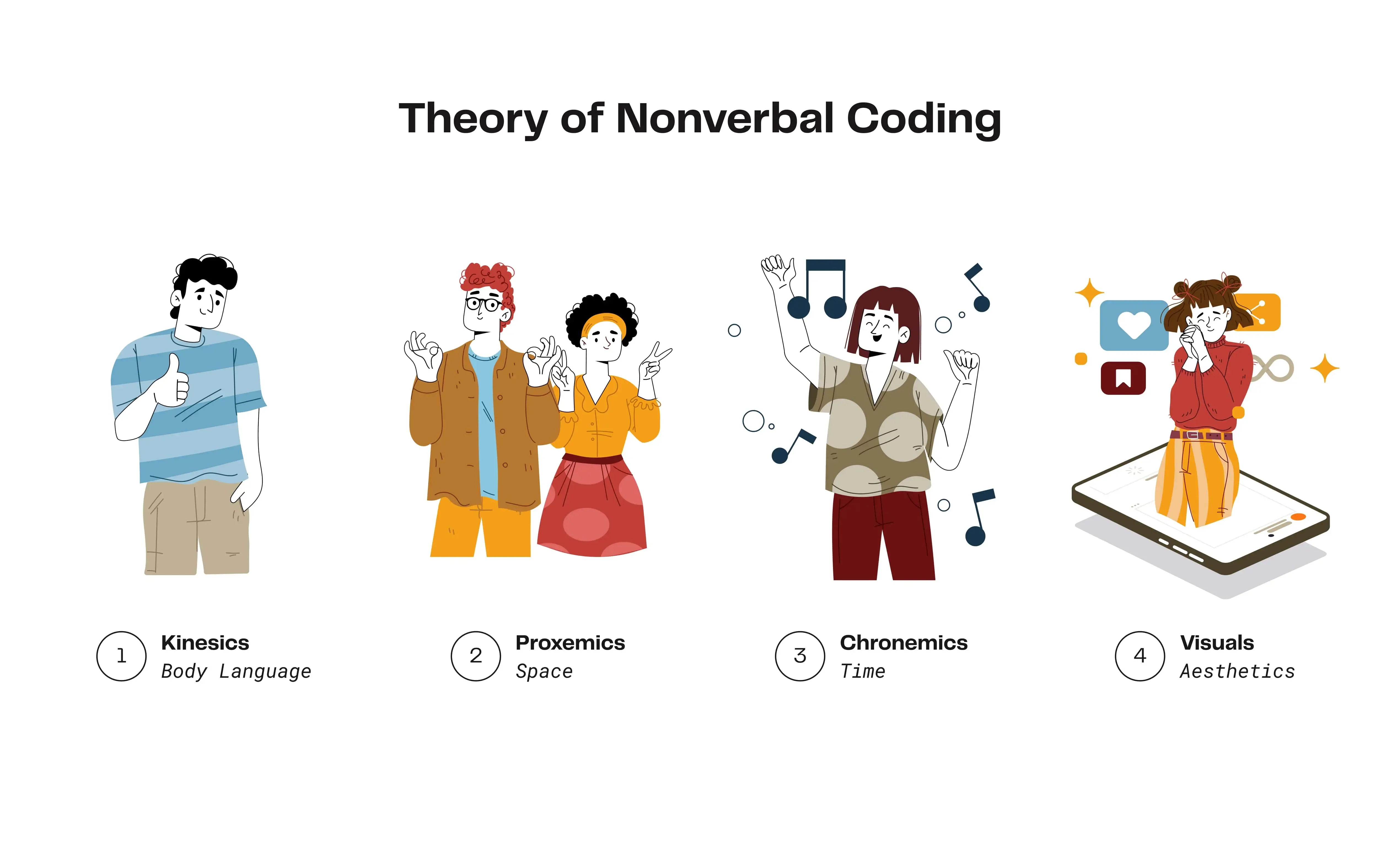
In essence, the ‘velocity’ dance during ‘bukber’ isn’t just a dance but a nonverbal ritual, a way to express social connection and cultural identity in the digital age. It’s interpersonal communication theory in motion, literally.
Transforming a Trend into Brand Engagement
Now, here’s where things get interesting for us branding aficionados. How can we, as creative strategists, translate this cultural phenomenon into effective brand engagement?
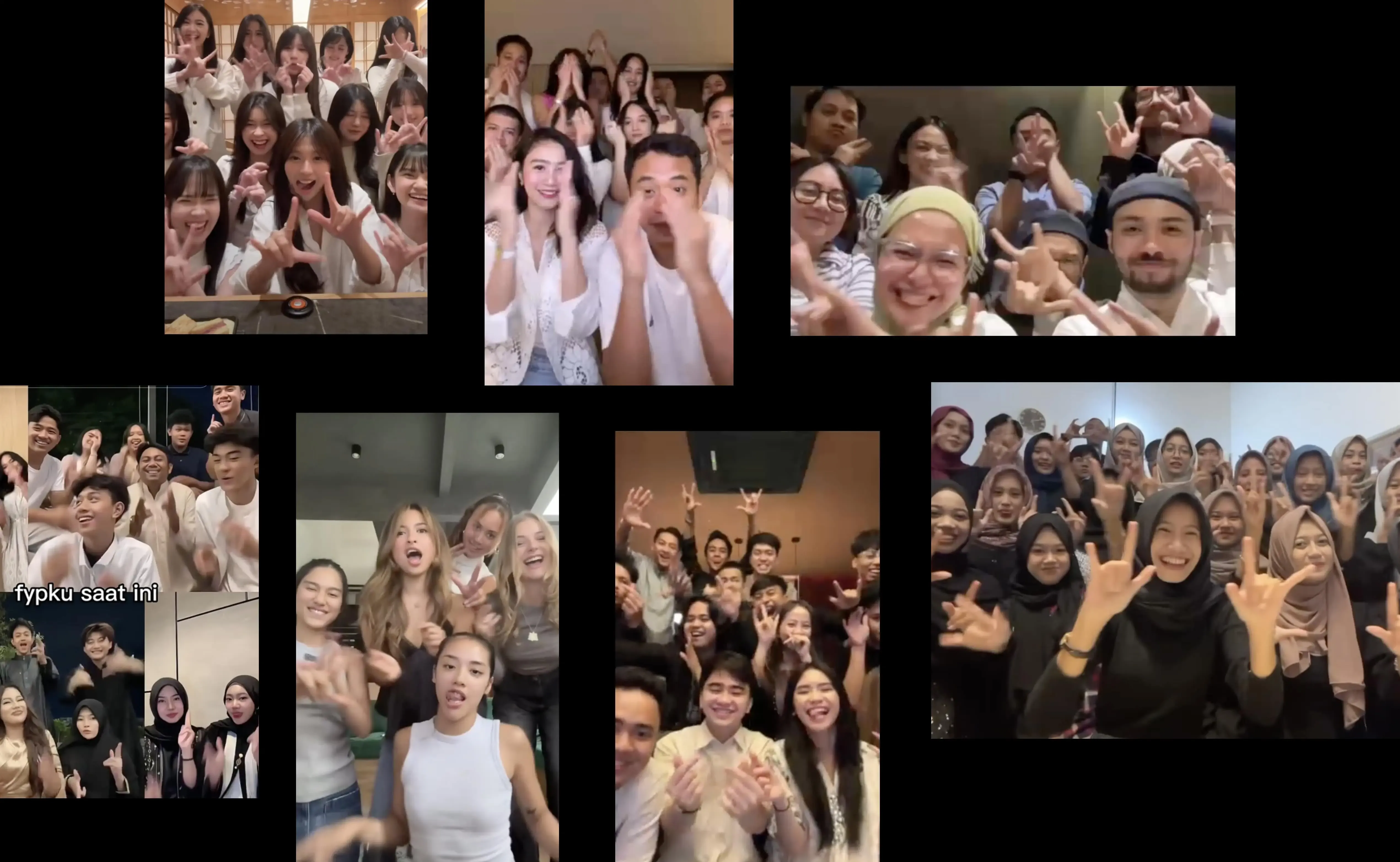
So, the ‘velocity’ dance during ‘bukber’ is more than just a fleeting trend but a cultural phenomenon, a digital ritual, and a nonverbal symphony. For brands, it’s a reminder that understanding the language of social media, and the cultural nuances that drive it, is essential for effective engagement. So, let’s put on our dancing shoes, decode the rhythm, and dance our way into the future of brand storytelling.
Source: Burgoon, J.K., et al. 2021. Nonverbal Communication (2nd ed.). New York: Routledge. https://doi.org/10.4324/9781003095552 McGowan, Zachary. Artikel Jurnal. Nonverbal Communication dipublikasi pada 7 Mei 2014. https://sites.tufts.edu/eeseniordesignhandbook/2014/nonverbal-communication-2/ ”