How “Mission: Impossible” Mastered Viral Marketing with “Semi-UGC” in Indonesia
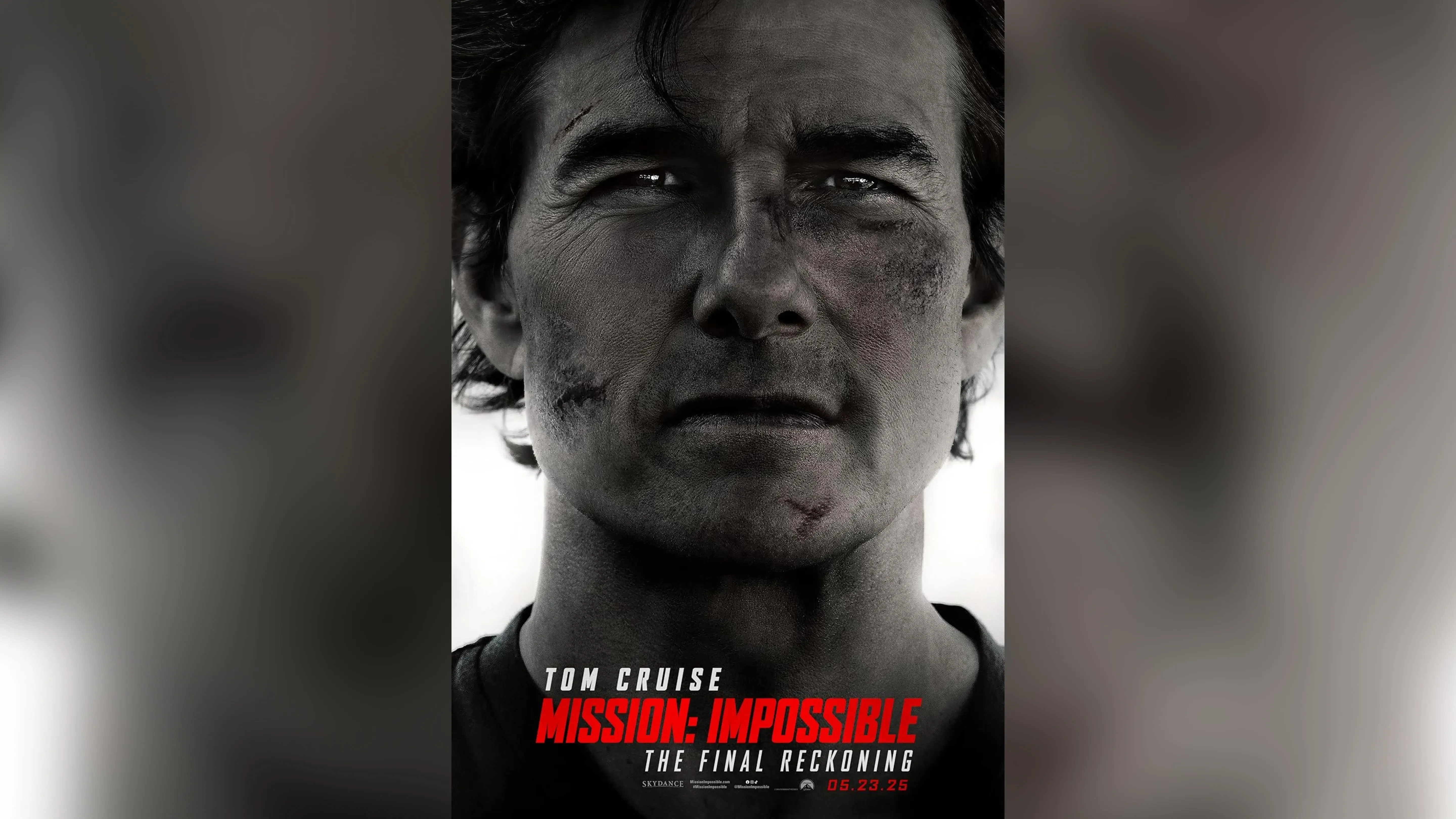
In an era saturated with digital noise, standing out requires more than just a slick trailer. Paramount Pictures Indonesia’s campaign for Mission: Impossible – The Final Reckoning serves as a prime example of genuinely effective modern marketing, leveraging an innovative blend of offline activation and what we’re calling “semi-UGC” to ignite viral buzz and transform passive viewers into invested participants.
The “Semi-UGC” Revolution: Bridging the Gap
Forget the traditional dichotomy of raw, unpolished User-Generated Content (UGC) versus heavily scripted hard endorsements. Paramount Pictures Indonesia pioneered a brilliant middle ground: “semi-UGC”. They didn’t just ask people to post but they designed an experience where content creation was an inherent, exciting part of the activation. This meant creators produced authentic-feeling content that still aligned with the campaign’s core messaging and aesthetic, bridging the gap between genuine audience expression and strategic brand narrative. The result? Content that felt organic and fun, rather than overtly salesy, driving deeper engagement and broader reach.
The “Indonesia Top Agent” Hub: Offline Activation at Its Core
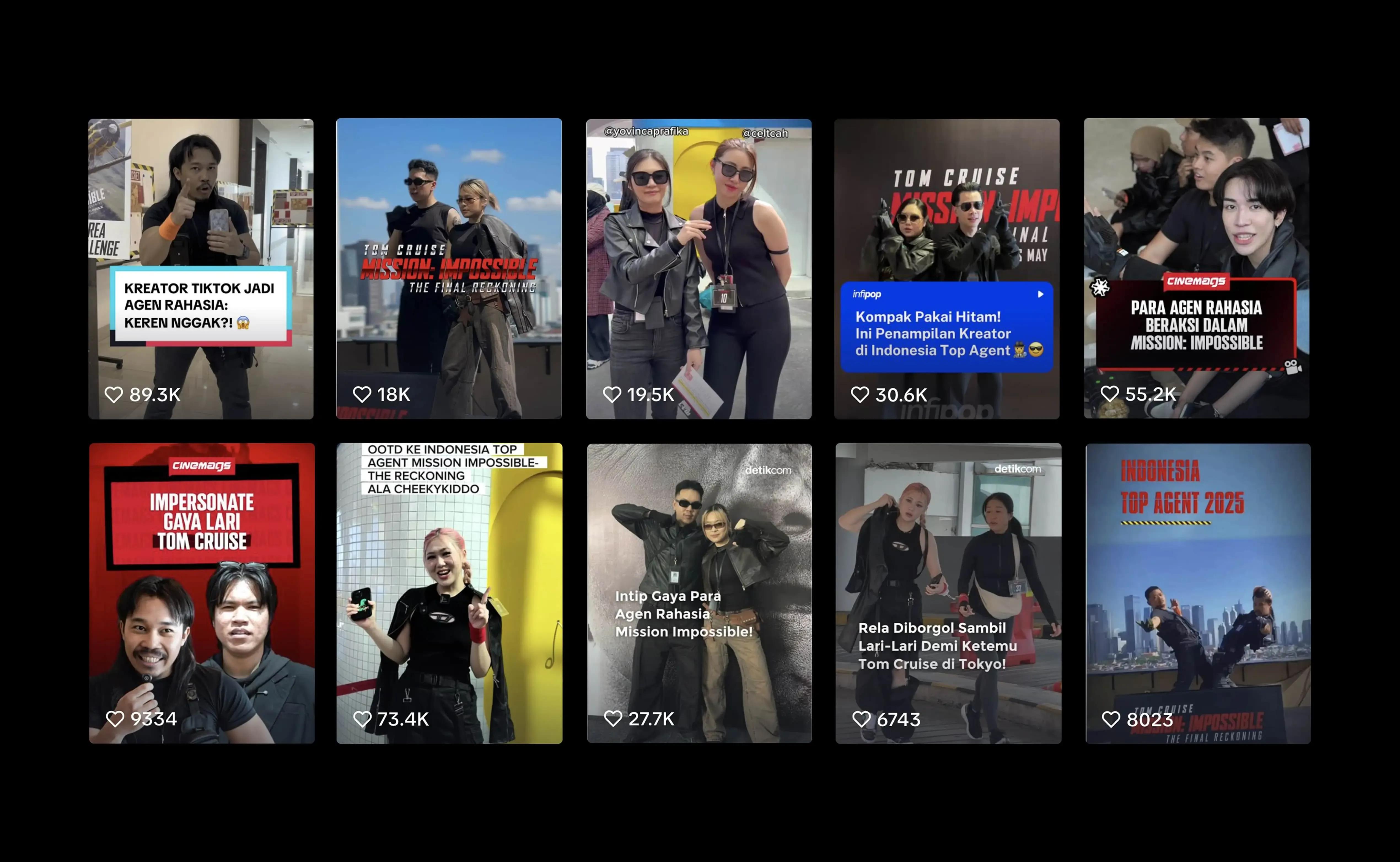
The campaign’s success was rooted in a brilliant offline activation: the “Indonesia Top Agent” event. Paramount Pictures Indonesia collaborated with TikTok, inviting around 50 creators to participate in a secret agent-themed challenge. These creators, often accompanied by partners, were given secret missions, strategic competitions, and teamwork challenges. Every moment of this immersive experience was designed to be shareable content for TikTok. This hands-on, interactive approach made audiences feel like they were “playing along,” generating excitement even before the film’s official trailer gained significant traction.
Building Hype and Converting Viewers into Fans
The genius of this campaign lay in its timing and distribution. The “Indonesia Top Agent” activation began in April, weeks before the film’s May release. This proactive approach built immense hype, ensuring that by the time the movie premiered, audiences were already deeply involved and ready to watch. The content circulated not only through the 50 participating KOLs and influencers but also amplified by online media and community accounts, creating a compounding effect that transformed awareness into massive viewership.
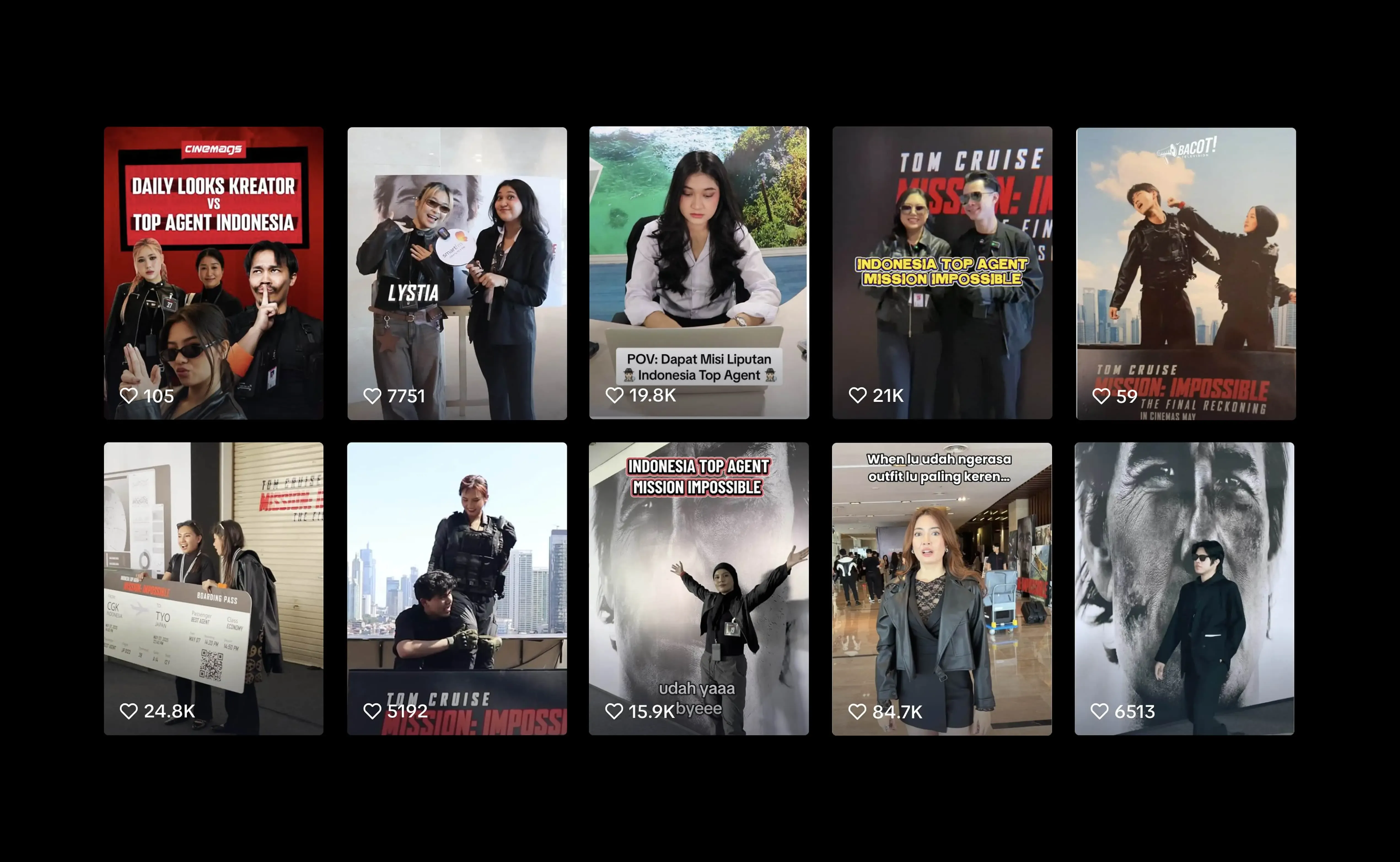
By selling an experience and social participation rather than just the product, Mission: Impossible didn’t just get people to watch a movie but they also converted them into active participants in a viral phenomenon. This is a masterclass in modern viral marketing and influencer activation.