Clickbait Culture
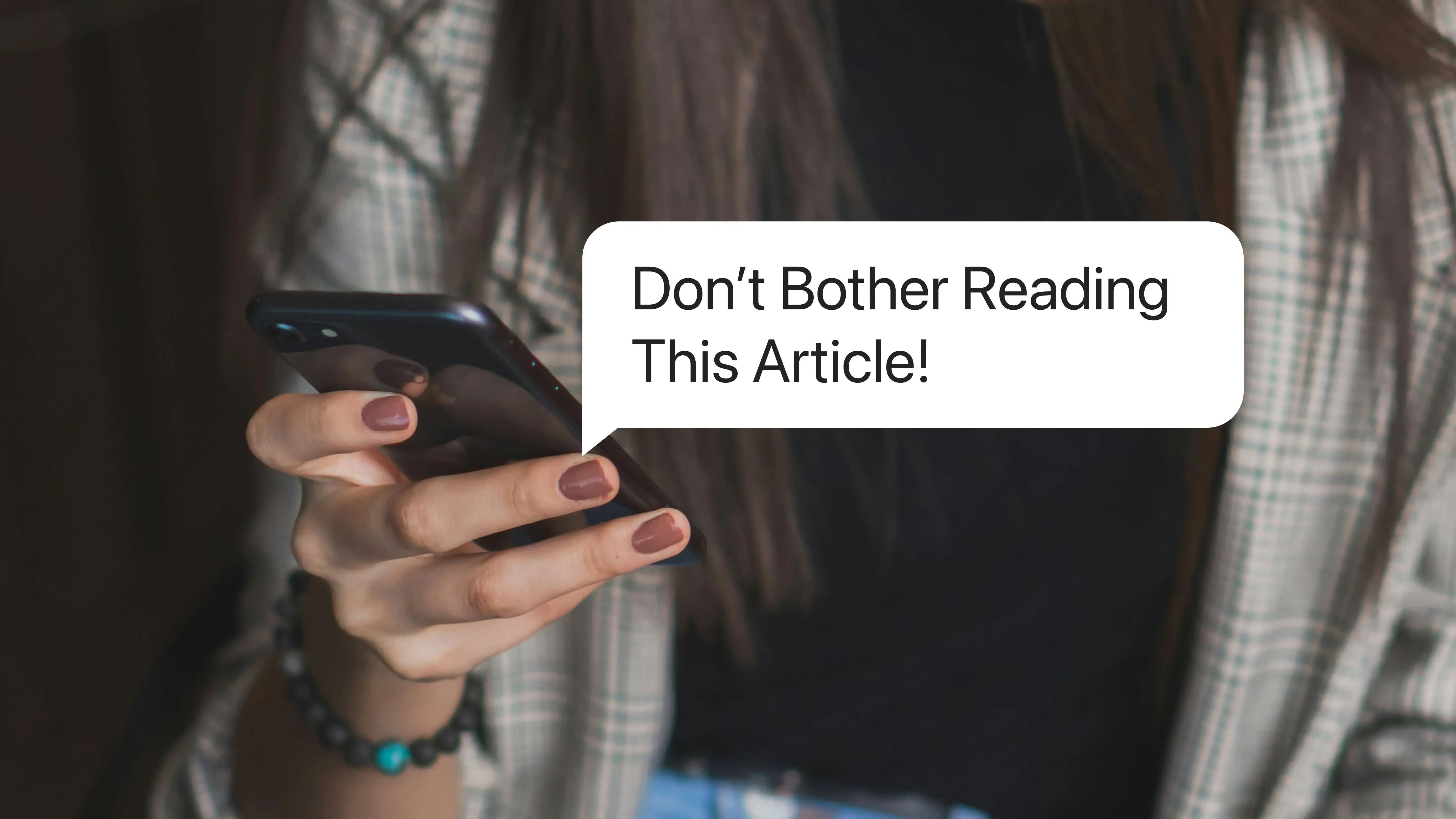
The social media landscape is a battleground for attention. In this relentless fight, marketers are increasingly turning to a controversial tactic: the negative hook. But what exactly is a negative hook, and why has it become so pervasive?
Grabbing Attention by the Throat
At its core, a negative hook is a marketing technique designed to grab attention by triggering negative emotions. Think headlines like “You’re Making These 5 Mistakes That Are Ruining Your Skin!” or visuals depicting a problem or fear. Global brands aren’t immune; even established players sometimes employ tactics that instill anxiety or play on insecurities to drive clicks and engagement. For example, a skincare ad might show a close-up of pores, emphasizing potential flaws to sell a solution.
This stuff works because we’re wired to notice and remember negative things more easily. Plus, these hooks often make you feel like you’ll miss out (FOMO) on something important or avoid a disaster if you don’t pay attention.
The Psychology Behind Social Media’s Negative Hooks
However, not all negative hooks are created equal. There’s a spectrum, ranging from relatively harmless clickbait to more ethically dubious manipulation:

While negative hooks can deliver short-term results, their long-term impact is debatable. A study among Indonesian UMKM businesses in Sleman, Yogyakarta, indicated that copywriting hooks (which can include negative hooks) positively impacted brand image and purchase decisions. This suggests they can be effective. However, it’s crucial to consider the context and execution.
Study Case from Secangkir Hotto
Secangkir Hotto, an Indonesian brand, provides a noteworthy example. Their marketing frequently utilizes negative hooks that tap into widely recognized social or lifestyle issues. They often begin by depicting a scenario familiar to many Indonesians, prompting an immediate sense of “oof, that’s me!” before introducing their product as a solution or a relevant element within the story. This approach, backed by their significant digital marketing efforts and podcast featuring founders Guntur and Paopao at Yoshua Marcellos’s YouTube channel (celloszxz), has been a key factor in their profitability.

In conclusion, negative hooks are a powerful but potentially dangerous tool. While they can effectively grab attention and drive engagement, brands must tread carefully. Authenticity, ethical considerations, and a long-term perspective are crucial to avoid alienating consumers and damaging brand reputation.
Source: Rahayu, Desta, et al. “The Influence of Hook Copywriting and Social Media Content Toward Brand Awareness, Brand Image, and Purchase Decisions in MSMEs in Sleman District” in Jurnal Telaah Bisnis Volume 25, Issue 1, 34-43, Agustus 2024.